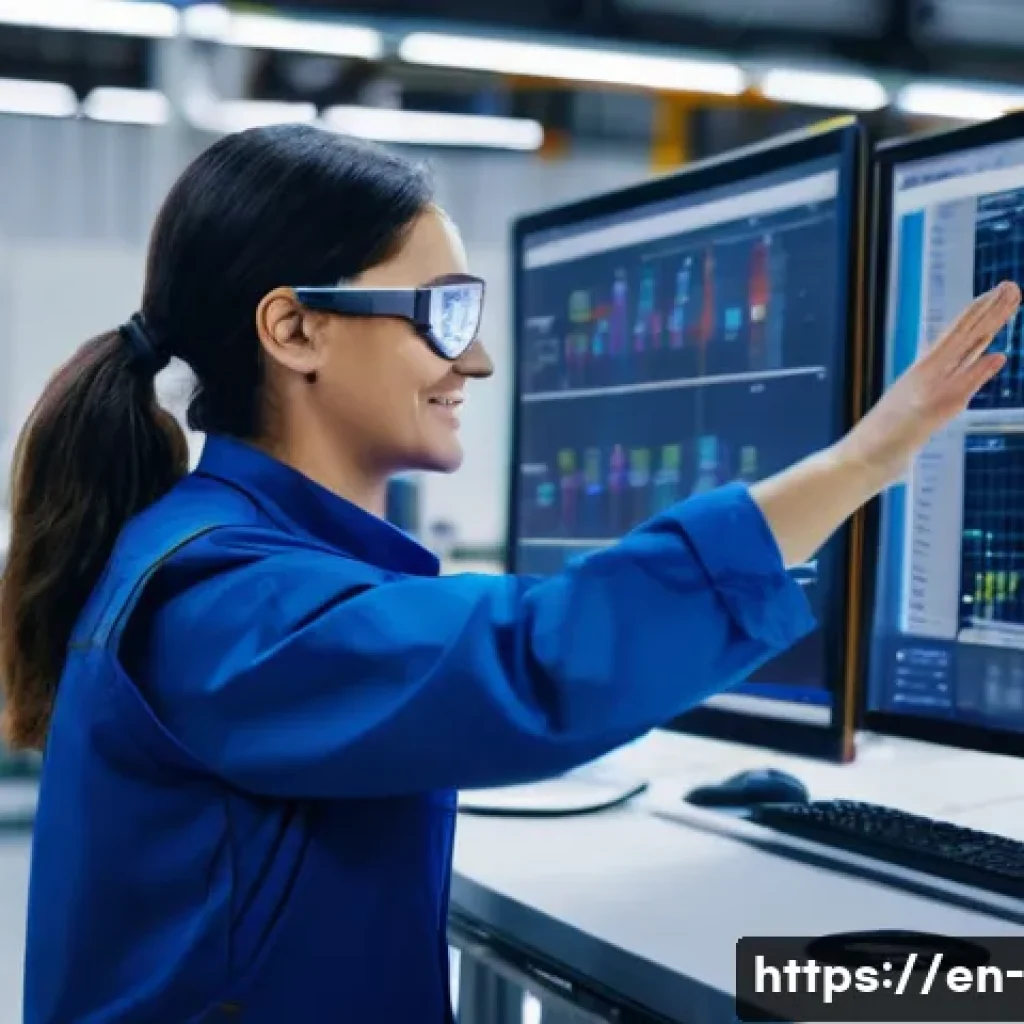
Remember when manufacturing felt like a dusty old factory floor? Those days are far behind us, my friends! I’ve been closely watching as dazzling AI innovations and super-smart automation completely transform how companies not only survive but truly thrive in a fiercely competitive global marketplace.
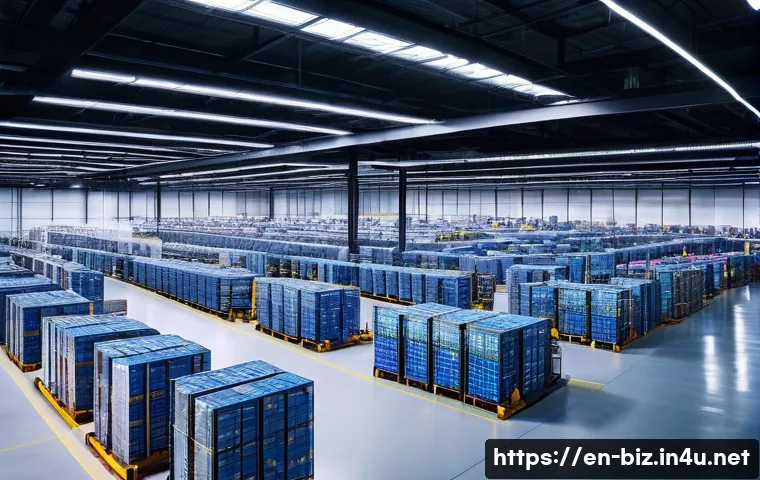
It’s absolutely fascinating to see how digital transformation, alongside a massive push for sustainability and resilient supply chains, is becoming the new standard, not just fleeting trends.
Building a robust, future-proof manufacturing strategy isn’t just about tweaking processes; it’s a complete mindset shift to stay ahead in this dynamic landscape.
Want to truly understand how manufacturers are gaining an edge? Let’s dive in and explore the cutting-edge strategies making waves right now!
Alright, let’s craft an engaging blog post on the transformation of the manufacturing industry!
Embracing Smart Manufacturing: The AI Revolution
The integration of Artificial Intelligence (AI) into manufacturing is no longer a futuristic concept; it’s happening right now. AI is optimizing processes, predicting maintenance needs, and enhancing product quality.
Imagine AI algorithms analyzing vast datasets from sensors on equipment to predict when a machine is likely to fail. This allows manufacturers to schedule maintenance proactively, minimizing downtime and saving significant costs.
From my experience, companies that have embraced AI-powered predictive maintenance have seen a remarkable reduction in unexpected breakdowns and improved overall efficiency.
It is really fascinating!
Leveraging Machine Learning for Enhanced Quality Control
One of the most impactful applications of AI is in quality control. Machine learning algorithms can be trained to identify even the slightest defects in products with far greater accuracy than human inspectors.
This not only improves product quality but also reduces waste by catching errors early in the production process. I’ve seen firsthand how AI-driven quality control systems have transformed manufacturing plants, leading to higher customer satisfaction and fewer returns.
Transforming Supply Chain Management with AI
AI is also revolutionizing supply chain management by optimizing logistics, forecasting demand, and mitigating risks. AI algorithms can analyze real-time data from various sources to predict potential disruptions in the supply chain, such as weather events or geopolitical instability.
This allows manufacturers to take proactive measures to minimize the impact of these disruptions, ensuring a smooth flow of materials and finished products.
The Rise of Automation and Robotics
Automation and robotics are at the forefront of the manufacturing revolution, increasing efficiency, reducing costs, and improving worker safety. Advanced robots can perform repetitive tasks with precision and speed, freeing up human workers to focus on more complex and creative activities.
When automation is done right, it’s a game-changer.
Collaborative Robots (Cobots): The Future of Human-Machine Collaboration
Collaborative robots, or cobots, are designed to work alongside human workers, assisting them with tasks that are physically demanding or dangerous. These robots are equipped with sensors and safety features that allow them to operate safely in close proximity to humans.
I’ve witnessed how cobots have transformed assembly lines, making them more efficient and safer for workers.
Automating Complex Processes with Robotics
Robotics is also being used to automate complex manufacturing processes, such as welding, painting, and assembly. Advanced robots can be programmed to perform these tasks with incredible precision and consistency, resulting in higher quality products and reduced waste.
For example, I recently saw a robotic system that could assemble intricate electronic components with unparalleled speed and accuracy, something that would be nearly impossible for a human worker to achieve.
Sustainability as a Core Manufacturing Principle
Sustainability is no longer just a buzzword; it’s a core principle that is driving innovation and efficiency in manufacturing. Companies are adopting sustainable practices to reduce their environmental impact, conserve resources, and meet the growing demand for eco-friendly products.
Implementing Circular Economy Principles
The circular economy is a model that aims to minimize waste and maximize the use of resources. Manufacturers are adopting circular economy principles by designing products that can be easily disassembled, repaired, and recycled.
This not only reduces waste but also creates new business opportunities in areas such as remanufacturing and recycling. I’ve seen firsthand how companies that embrace the circular economy are not only reducing their environmental impact but also improving their bottom line.
Reducing Energy Consumption and Emissions
Manufacturers are also focusing on reducing their energy consumption and emissions by investing in energy-efficient equipment, adopting renewable energy sources, and optimizing their processes.
This not only reduces their environmental footprint but also lowers their operating costs. Every little bit helps.
Building Resilient Supply Chains
In today’s interconnected world, supply chain disruptions can have a significant impact on manufacturing operations. Building resilient supply chains is essential for ensuring business continuity and mitigating risks.
Diversifying Sourcing and Production
One of the key strategies for building resilient supply chains is to diversify sourcing and production. This involves identifying alternative suppliers and establishing production facilities in multiple locations.
By diversifying their supply chains, manufacturers can reduce their dependence on any single source and minimize the impact of disruptions. I know one company that successfully navigated a major supply chain crisis by having multiple backup suppliers in place.
Investing in Supply Chain Visibility
Supply chain visibility is also crucial for building resilience. This involves using technology to track the movement of goods and materials throughout the supply chain, from raw materials to finished products.
By having real-time visibility into their supply chains, manufacturers can quickly identify and respond to potential disruptions.
Digital Transformation: The Key to Manufacturing Excellence
Digital transformation is the process of integrating digital technologies into all aspects of manufacturing operations. This includes everything from cloud computing and data analytics to the Internet of Things (IoT) and augmented reality (AR).
Leveraging Cloud Computing and Data Analytics
Cloud computing provides manufacturers with access to vast amounts of computing power and storage, enabling them to analyze large datasets and gain valuable insights into their operations.
Data analytics can be used to optimize processes, improve product quality, and predict maintenance needs.
Embracing the Internet of Things (IoT)
The Internet of Things (IoT) involves connecting machines, sensors, and other devices to the internet, allowing them to collect and exchange data. This data can be used to monitor equipment performance, track inventory, and optimize processes.
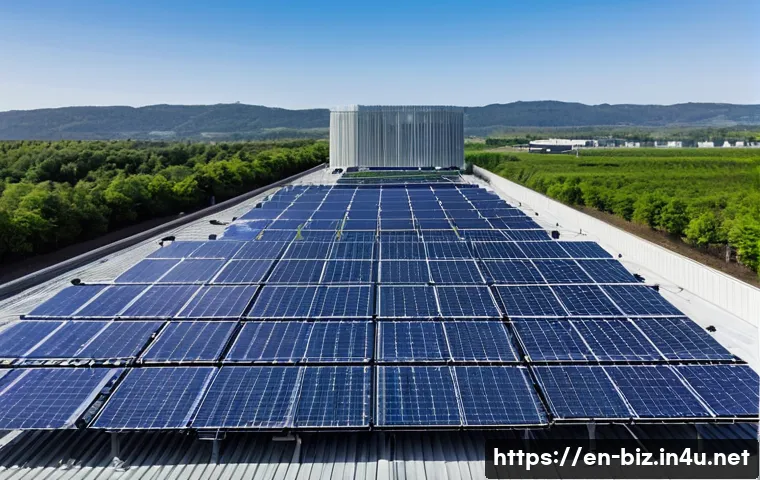
I’ve seen how IoT has transformed manufacturing plants, making them more efficient, responsive, and data-driven. Here is an example of how these strategies can impact different aspects of manufacturing:
| Strategy | Impact | Example |
|---|---|---|
| AI-Powered Predictive Maintenance | Reduced downtime, lower maintenance costs | Predicting bearing failures in motors using vibration analysis |
| Robotics and Automation | Increased efficiency, improved quality, enhanced safety | Using robots for welding and painting applications |
| Circular Economy Principles | Reduced waste, resource conservation, new revenue streams | Designing products for easy disassembly and recycling |
| Diversified Sourcing | Reduced supply chain risk, improved business continuity | Having multiple suppliers for critical components |
| IoT-Enabled Monitoring | Real-time insights, optimized processes | Tracking machine performance with sensors and cloud analytics |
Upskilling the Workforce for the Future of Manufacturing
As manufacturing becomes more automated and digitized, it’s crucial to upskill the workforce to meet the changing demands of the industry. This involves providing workers with the training and education they need to operate and maintain advanced technologies, as well as to perform more complex and creative tasks.
Investing in Training Programs
Manufacturers should invest in training programs that provide workers with the skills they need to succeed in the future of manufacturing. These programs should focus on areas such as data analytics, robotics, and advanced manufacturing techniques.
Fostering a Culture of Continuous Learning
It’s also important to foster a culture of continuous learning within manufacturing organizations. This involves encouraging workers to stay up-to-date on the latest technologies and trends, and providing them with opportunities to develop new skills.
I always say, “Never stop learning!”
Prioritizing Cybersecurity in the Smart Factory
As manufacturing becomes more connected and digitized, cybersecurity becomes increasingly important. Manufacturers must take steps to protect their systems and data from cyber threats.
Implementing Robust Security Measures
Manufacturers should implement robust security measures, such as firewalls, intrusion detection systems, and data encryption, to protect their systems and data from cyberattacks.
Training Employees on Cybersecurity Best Practices
It’s also important to train employees on cybersecurity best practices, such as how to recognize phishing emails and avoid downloading malicious software.
A well-informed workforce is the first line of defense against cyber threats. AI is rapidly reshaping the manufacturing sector, bringing unprecedented levels of efficiency, sustainability, and resilience.
From predictive maintenance to automated assembly lines, the possibilities are endless. Embracing these changes will be crucial for manufacturers looking to thrive in the modern era.
The blend of human ingenuity and technological advancement paves the way for a future where manufacturing is smarter, greener, and more responsive than ever before.
The manufacturing sector is currently undergoing a transformative shift. By embracing these innovations, manufacturers can enhance their competitiveness, promote sustainability, and build resilience in an ever-changing global landscape.
It’s an exciting time, full of opportunities for those willing to adapt and innovate.
Wrapping Up
The manufacturing industry is undergoing a massive transformation, and it’s exciting to witness these changes firsthand. Embracing smart manufacturing principles such as AI, automation, and sustainability is vital for staying competitive.
The blending of human ingenuity with advanced technology promises a brighter, more efficient future. Keep exploring, innovating, and pushing the boundaries of what’s possible in manufacturing!
Useful Tips to Know
1. Predictive Maintenance: Utilize AI to predict equipment failures, minimizing downtime and saving on maintenance costs.
By analyzing data from sensors on equipment, AI algorithms can anticipate potential breakdowns. This proactive approach allows you to schedule maintenance during planned downtimes, avoiding costly interruptions and extending the lifespan of your machinery. I’ve seen companies save thousands of dollars by implementing AI-driven predictive maintenance programs.
2. Collaborative Robots (Cobots): Integrate cobots to work alongside human employees, improving safety and productivity.
Cobots are designed to assist with tasks that are physically demanding or dangerous, freeing up human workers to focus on more complex and creative activities. These robots are equipped with sensors and safety features that ensure they can operate safely in close proximity to humans, creating a harmonious and efficient work environment.
3. Circular Economy Practices: Design products that can be easily disassembled and recycled to reduce waste and maximize resource utilization.
Adopting circular economy principles not only helps the environment but also opens up new business opportunities. By creating products that can be easily recycled or repurposed, you can reduce waste and create new revenue streams through remanufacturing and recycling programs. It’s a win-win for both the planet and your bottom line.
4. Diversified Sourcing: Reduce supply chain risks by identifying multiple suppliers and establishing production facilities in various locations.
Having a diversified supply chain is essential for mitigating disruptions. By sourcing materials and components from multiple suppliers and establishing production facilities in different regions, you can reduce your dependence on any single source and minimize the impact of events such as natural disasters or geopolitical instability.
5. Cybersecurity Measures: Implement strong security measures to protect your systems and data from cyber threats.
As manufacturing becomes more digitized, cybersecurity is crucial. Implement firewalls, intrusion detection systems, and data encryption to protect your critical infrastructure and sensitive data. Regularly train your employees on cybersecurity best practices to ensure they are aware of potential threats and know how to respond appropriately.
Key Takeaways
* AI and machine learning are revolutionizing quality control and supply chain management. * Automation and robotics increase efficiency and improve worker safety.
* Sustainability is becoming a core manufacturing principle, driving innovation and reducing environmental impact. * Building resilient supply chains is essential for ensuring business continuity.
* Digital transformation, including cloud computing and IoT, is key to manufacturing excellence.
Frequently Asked Questions (FAQ) 📖
Q: s about the transformation of manufacturing with
A: I and automation:
Q: What are the primary ways
A: I and automation are changing the manufacturing industry? A1: AI and automation are revolutionizing manufacturing by enhancing efficiency, precision, and adaptability in production processes.
This includes automating repetitive tasks, optimizing workflows, reducing human error, and enabling “hands-off” manufacturing. AI facilitates real-time decision-making through connected technologies, data analytics, and machine learning, leading to smart factories and optimized processes.
AI systems analyze data from sensors and production lines to improve quality, predict equipment failures, and optimize energy consumption, reducing downtime and costs.
Q: What are some key strategies for building a resilient manufacturing strategy in the face of disruption?
A: Building resilience involves embracing digital transformation, including AI, IoT, and digital twins, for real-time visibility and agile production adjustments.
Diversifying the supply chain and building strong relationships with suppliers is also crucial. Developing business continuity plans, prioritizing data visibility, and fostering a culture of agility and responsiveness are essential components.
Investing in a workforce trained in digital literacy, risk management, and crisis response further strengthens resilience.
Q: What should manufacturers consider when adopting
A: I and automation technologies? A3: Manufacturers need to focus on specific, high-value problems such as reducing downtime, improving yield, and optimizing energy use to achieve tangible returns.
Clear goals and accurate data are essential for successful AI adoption. Integrating AI with existing systems like MES and ERP is critical, as is addressing data quality issues, skills gaps, and cybersecurity risks.
A roadmap for transformational change and future skills is necessary to remain competitive, along with agile organizational structures.