Hey there, fellow organizational explorers! Have you ever paused to wonder how the places we work are constantly evolving, almost like living, breathing entities?
I know I have, especially lately. It feels like every day brings a new headline about how businesses are completely rethinking how they operate, from where we even *do* our work to who or what is helping us get it done.
We’re talking about a world where hybrid work isn’t just a buzzword, but a complex tapestry of flexible schedules and virtual teams, all while trying to keep that human connection alive and thriving.
And let’s not even get started on AI! It’s not just a tool anymore; it’s becoming a collaborator, challenging our traditional notions of management and decision-making, and frankly, making us ponder what “organizational structure” even means in an increasingly automated world.
Personally, I’ve observed a huge shift towards prioritizing employee well-being – mental, physical, and even social health are now seen as cornerstones of a successful workplace, not just nice-to-haves.
It’s a fascinating time, full of rapid change, pushing organizations to be incredibly adaptable and flexible, almost shape-shifting to stay ahead. The old hierarchies?
They’re becoming relics as dynamic, team-centric approaches take center stage. What does all this mean for the future? Well, it means the theories underpinning how we organize are more relevant and exciting than ever before!
It’s about figuring out how to build resilient, innovative, and truly human-centric environments, even as technology advances at lightning speed. So, if you’re like me and find yourself endlessly curious about the intricate dance of people, processes, and purpose within any company, then you’re in the right place.
Organizational theory isn’t just some dusty academic subject; it’s the heartbeat of how businesses survive, thrive, and adapt in our crazy, fast-paced world.
It’s about understanding the ‘why’ behind everything from your company’s hierarchy to its culture. We’re talking about the fundamental blueprints that shape our work lives and define collective success.
Let’s dive deeper and accurately explore what makes organizations tick!
You know, it’s wild to think about how much our workplaces have transformed, and honestly, it’s thrilling to be right here in the thick of it. Gone are the days when organizational theory felt like a dusty textbook subject.
Now, it’s less about rigid diagrams and more about the dynamic dance of people, purpose, and technology. What I’ve seen firsthand is a massive evolution, one where the human element isn’t just a cog in the machine but the very engine driving innovation and resilience.
It’s truly a fascinating time, and I’m stoked to share what I’ve learned from observing these shifts up close.
Rethinking Our Structures: Beyond the Old Pyramid
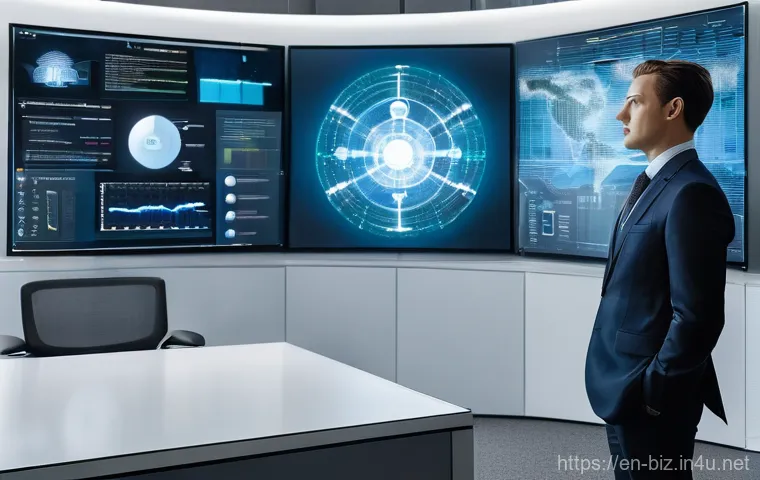
For so long, the corporate world was pretty obsessed with hierarchy, wasn’t it? I remember starting out, and it felt like every company was built like a towering pyramid, with decisions trickling down from the top and sometimes getting lost in the shuffle. But these days, that old model just doesn’t cut it. What I’ve been seeing, and what excites me most, is this incredible shift towards more agile, adaptable structures. Organizations are realizing that to move fast and stay relevant in our constantly changing world, they need to empower their teams, not constrain them. It’s like watching a caterpillar transform into a butterfly – shedding the old, rigid skin for something far more flexible and dynamic. We’re moving from a command-and-control mindset to one where networks of self-managing teams are really taking center stage, capable of responding to market shifts with incredible speed.
Embracing Fluidity: Teams as the New Building Blocks
The beauty of this new approach lies in its fluidity. Instead of fixed departments, we’re seeing companies organize around project-based ‘pods’ or ‘squads’ that can quickly form, tackle a challenge, and then reconfigure as needed. From my vantage point, this isn’t just about efficiency; it’s about unlocking creativity. When people are given autonomy and a clear purpose, they’re simply more engaged and more likely to experiment. I’ve witnessed teams thrive in environments where they’re encouraged to take ownership and innovate, rather than just follow orders. This fosters a real sense of collective responsibility, which, let’s be honest, feels so much more fulfilling than just being a small part of a much larger, often opaque, machine. It’s about empowering people to bring their whole selves to work and contribute meaningfully, which is a total game-changer.
Cultivating Adaptability: A Skill for Every Level
Adaptability isn’t just a buzzword anymore; it’s a non-negotiable skill for every single person in an organization, from the freshest hire to the C-suite. Personally, I’ve found that the best way to foster this is by creating a culture where continuous learning is not just encouraged, but actively celebrated. Companies are investing in training programs, mentorship, and learning platforms that empower employees to acquire new skills and knowledge constantly. It’s about building a collective muscle memory for change. Think about it: if every individual is comfortable pivoting, learning, and evolving, then the entire organization becomes incredibly resilient. It’s a proactive approach that ensures when the unexpected inevitably happens, everyone is equipped to move quickly and confidently, turning potential disruptions into opportunities.
AI as Our Co-Pilot: Shifting Roles and Smart Decisions
Okay, let’s talk about AI. It’s no longer some futuristic concept we only read about in sci-fi novels; it’s here, and it’s fundamentally reshaping how we work and manage. I’ve been fascinated watching how AI isn’t just automating mundane tasks – though it’s certainly doing that brilliantly – but is actually becoming a strategic collaborator. For managers, this means less time spent on routine oversight and more on developing people and strategy. It’s a truly profound shift. I’ve seen firsthand how AI can analyze vast amounts of data in a blink, surfacing insights that would take humans weeks, if not months, to uncover. This isn’t about replacing human intelligence; it’s about augmenting it, allowing us to make faster, more informed decisions and focus our unique human creativity where it matters most. This feels like we’re leveling up, not just our tech, but our collective intelligence as well.
Beyond Automation: AI as a Strategic Collaborator
Where AI really shines, in my humble opinion, is its ability to serve as a sounding board, a “thought partner” for executives and even individual contributors. Imagine running complex scenarios or anticipating stakeholder reactions with unprecedented speed and accuracy. I’ve seen how AI can process information, identify patterns, and even predict potential outcomes, allowing us to approach challenges with a level of insight that was previously unimaginable. This means we’re moving beyond simple automation to a place where AI helps us to orchestrate human-machine collaboration, unlocking new levels of creativity and productivity. It’s not just about getting tasks done; it’s about getting smarter and more strategic in everything we do, which is incredibly empowering.
Rethinking Management in an AI-Augmented Era
The integration of AI also means we need to completely rethink what “management” actually looks like. Instead of just delegating tasks, leaders are now tasked with orchestrating complex human-machine collaborations. My experience tells me this requires a whole new set of skills: an ability to interpret AI-generated insights, to effectively prompt AI tools, and to guide teams in leveraging these technologies responsibly and ethically. It’s less about being the all-knowing expert and more about being a facilitator, a coach, and a visionary who can integrate these powerful tools into a cohesive strategy. This transformation isn’t just for tech companies; I’m seeing it ripple across every sector, challenging traditional notions of control and pushing us to embrace a more adaptive and data-driven leadership style. We’re truly at the cusp of a new management paradigm, and honestly, it’s an exciting place to be.
The Human Heartbeat: Prioritizing Well-being and Engagement
If there’s one trend that truly warms my heart, it’s the undeniable rise of human-centric workplaces. For too long, “employee well-being” felt like an afterthought, a few yoga classes tacked onto an otherwise demanding corporate culture. But now, it’s firmly entrenched as a strategic imperative, and honestly, it’s about time! I’ve seen firsthand the incredible difference it makes when an organization genuinely invests in the mental, physical, and even financial health of its people. It’s not just about being “nice”; it’s about building a resilient, engaged, and productive workforce. When employees feel valued, supported, and safe, they don’t just show up – they thrive. This shift acknowledges that our people aren’t just resources; they are the heart and soul of any successful business, and nurturing their well-being is the smartest investment a company can make.
From Perks to Purpose: Holistic Employee Support
It’s not enough to offer flashy perks anymore; what truly resonates is holistic support that acknowledges the complexities of modern life. Companies are really stepping up, providing everything from comprehensive mental health resources and flexible work arrangements to financial wellness programs. From my own observations, when an employer demonstrates genuine care, employees respond with loyalty and increased engagement. It creates an environment where people feel secure enough to be vulnerable, to ask for help, and to bring their authentic selves to work. This isn’t just about reducing absenteeism or turnover; it’s about fostering a sense of belonging and purpose that goes far beyond a paycheck, which, in turn, boosts morale and creates a positive work culture.
Building a Culture of Empathy and Resilience
A true culture of well-being is built on empathy and a commitment to resilience. I’ve seen leaders who actively listen, who create safe spaces for honest communication, and who understand that stress management isn’t just an individual responsibility but a collective one. It’s about building a supportive and inclusive environment where diverse perspectives are valued, and psychological safety is paramount. When setbacks occur – and they always do – a resilient culture views them as opportunities for learning and growth, not just failures. This kind of environment empowers employees to manage stress before it becomes overwhelming, ultimately leading to a more stable and high-performing team. It’s truly a win-win for everyone involved.
Hybrid Harmony: Blending Physical and Virtual Workforces
The hybrid work model, born out of necessity, has truly become an organizational staple, and it’s forcing us to rethink how we design our workplaces and coordinate our efforts. It’s no longer about whether we work remotely or in the office, but *how* we smartly blend the two to create something even better. I’ve heard so many conversations about striking that perfect balance, ensuring productivity and connection don’t get lost in the shuffle. It’s a complex puzzle, integrating flexible schedules and virtual teams while trying to keep that all-important human connection alive and thriving. What I’ve observed is that successful hybrid models aren’t just about splitting time; they’re about intentional design, clear communication, and a deep understanding of what truly drives effective collaboration in a distributed world.
Optimizing for Both In-Office and Remote Productivity
Achieving hybrid harmony means optimizing for both modes of work. On one hand, remote work has clearly boosted individual productivity for many, cutting down on commutes and allowing for focused work in personalized environments. On the other, the office still holds immense value for spontaneous collaboration, team building, and those crucial face-to-face interactions that strengthen bonds. What I’ve seen work best is a purposeful approach to office time – making those in-person days count for workshops, brainstorming, and social connection, rather than just individual desk work that could be done anywhere. This involves flexible workspaces, strategic meeting designs, and technologies that bridge the gap seamlessly. It’s about designing workflows that allow for flexibility, while also creating opportunities for teams to gather and build rapport when it truly adds value.
Maintaining Connection in a Distributed Environment
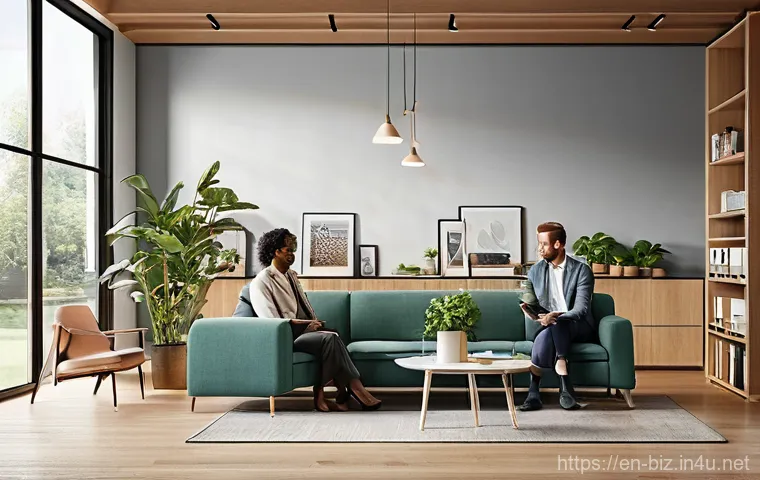
One of the biggest challenges I’ve seen in the hybrid world is maintaining strong team cohesion and a vibrant organizational culture. Without the constant informal interactions of a fully in-person office, it takes deliberate effort to keep people feeling connected and engaged. I’ve witnessed companies successfully implement virtual collaboration tools, regular check-ins, and even virtual social events to keep the human element strong. Transparent communication from leadership is absolutely essential, ensuring everyone, regardless of their location, feels informed and heard. It’s about fostering trust and a sense of support, making sure that remote colleagues feel on equal footing with those who are on-site. The goal is to create an inclusive environment where everyone feels valued and part of the bigger picture, regardless of where they plug in.
| Traditional Organizational Approaches | Modern Organizational Shifts |
|---|---|
| Hierarchical, top-down decision-making | Agile, decentralized, empowered teams |
| Focus on task efficiency | Focus on adaptability, innovation, and human experience |
| Well-being as a perk/HR function | Well-being as a strategic business imperative |
| In-person work as default | Hybrid models with intentional blending of remote and office |
| AI as automation tool | AI as strategic collaborator and decision-making enhancer |
| Static roles and job descriptions | Fluid, skill-based roles and continuous learning |
Data-Driven Insights: Guiding Organizational Evolution
It’s simply impossible to talk about modern organizational theory without diving into the power of data. What I’ve seen over the past few years is a massive shift from gut feelings to data-driven insights. Organizations are no longer flying blind; they’re leveraging analytics to understand everything from workforce strengths and gaps to optimizing structures and predicting future needs. This isn’t about micromanaging; it’s about making smarter, more informed decisions that genuinely impact the bottom line and improve the employee experience. My personal take is that those companies truly embracing data as a core part of their organizational evolution are the ones that will not just survive but truly thrive in the coming years. It gives them an almost unfair advantage in terms of foresight and responsiveness, allowing them to adapt both swiftly and effectively to changes, whether sudden or gradual.
Leveraging Analytics for Strategic Design
The ability to collect and analyze data has become a cornerstone of strategic organizational design. I’ve seen how companies use people analytics to understand engagement levels, identify skill gaps, and even predict potential turnover. This isn’t just about making reactive changes; it’s about proactively designing roles and structures based on real-time information, rather than outdated assumptions. For example, using data to identify which roles are best suited for remote work, or to understand how different team compositions affect project success. It empowers leaders to make evidence-based decisions about everything from resource allocation to workflow optimization, ensuring that the organizational structure is not just theoretical but functionally effective and aligned with business goals. It’s about creating a living, breathing blueprint that continuously evolves with data as its guide.
Ethical Considerations in People Analytics
Of course, with great power comes great responsibility, and using people analytics comes with significant ethical considerations. As someone deeply invested in the human aspect of work, I always emphasize the importance of transparency, privacy, and fairness. It’s crucial for organizations to have clear policies on data collection and usage, ensuring employees understand how their information is being utilized and that it’s always for their benefit and the collective good. The goal is to leverage data to enhance human sustainability, improving health, well-being, and career advancement, not to create a surveillance culture. Building trust is paramount, and that means being incredibly thoughtful and ethical about how we wield the power of data to shape our organizations. It’s a delicate balance, but one that absolutely must be struck for long-term success and employee buy-in.
Sustainable Structures: Designing for Long-Term Impact
Thinking about the future, it’s clear that organizations aren’t just focused on quarterly profits anymore. There’s a growing understanding, one that I personally champion, that long-term success is deeply intertwined with sustainability, not just environmentally, but also socially and economically. Designing sustainable structures means building companies that are resilient enough to weather future storms, innovative enough to adapt to emerging challenges, and responsible enough to contribute positively to society. I’ve seen how companies that prioritize this broader definition of sustainability attract top talent, build stronger brands, and ultimately create more enduring value. It’s about looking beyond the immediate horizon and building a legacy, which frankly, is a much more inspiring vision for any organization. This means integrating sustainability into the core of their operations, going beyond mere compliance to shape how businesses create value.
Beyond the Bottom Line: Social and Environmental Responsibility
Sustainability isn’t just about reducing carbon footprints, though that’s certainly vital. It’s about a holistic commitment that extends to social equity, ethical practices, and environmental stewardship. I’ve been so impressed by companies that are embedding these values directly into their organizational DNA, influencing everything from supply chain decisions to employee benefits. This commitment fosters a powerful sense of purpose among employees, knowing that their work contributes to something bigger than just profit. It’s a win-win: companies gain a competitive edge by attracting purpose-driven talent and building a reputation for integrity, while also making a tangible positive impact on the world. It’s no longer optional; it’s a fundamental expectation from customers, employees, and investors alike.
Future-Proofing Your Organization Through Continuous Learning
To truly build a sustainable organization, you have to embrace the idea of continuous evolution. The world simply changes too fast to stand still. I firmly believe that future-proofing any business involves fostering a culture where learning and development are never-ending. This means investing in ongoing skill development for all employees, from entry-level staff to executives, ensuring everyone is equipped to navigate whatever challenges come their way. It’s about creating an environment where experimentation is rewarded, feedback is embraced, and agility is woven into every process. By prioritizing a growth mindset and providing opportunities for professional development, organizations can build a workforce that is not only adaptable but also consistently innovative, ready to shape the future rather than just react to it.
Wrapping Things Up
Whew! What a journey we’ve been on, diving deep into the exhilarating transformations shaping our workplaces. It’s truly amazing to witness how rapidly organizational theory is evolving from rigid structures to dynamic ecosystems, where human ingenuity, smart tech, and genuine well-being take center stage. What I’ve seen, and what frankly gives me so much hope, is a collective realization that the most successful organizations aren’t just adapting to change; they’re actively shaping it, embracing flexibility and empowering their people. It’s an incredibly exciting time to be part of this evolution, and I truly believe that by leaning into these shifts, we can all contribute to creating work environments that are not only productive but also profoundly fulfilling.
Useful Insights to Take Away
If there’s one thing I hope you take away from our chat today, it’s that the future of work isn’t just coming; it’s already here, and it’s full of incredible opportunities. Based on my own observations and frankly, a lot of trial and error in various settings, these are the insights I’ve found most valuable for navigating this new landscape. These aren’t just theoretical concepts; they’re practical shifts that can make a real difference in how you approach your work and lead your teams. I’ve personally seen these principles in action, yielding significant improvements in team morale, project success, and overall organizational resilience. It’s about building a robust, human-centric framework that genuinely thrives on change and innovation.
-
Embrace Continuous Learning and Adaptability: The world moves too fast for stagnation. Make personal and team-wide learning a non-negotiable priority. Encourage experimentation, see failures as learning opportunities, and actively seek out new skills. This mindset creates a powerful, collective agility that can pivot swiftly in the face of unexpected challenges, turning potential roadblocks into launchpads for innovation. It’s about building a culture where growth isn’t just encouraged, it’s celebrated as the core of progress.
-
Prioritize Human-Centric Well-being: Beyond the bottom line, investing in your people’s mental, physical, and emotional health is paramount. My own experience has shown that when employees feel genuinely supported and valued, their engagement, loyalty, and productivity skyrocket. This means fostering psychological safety, offering flexible work arrangements, and providing resources that address holistic well-being. It’s a strategic investment that yields profound returns, creating a more resilient and happier workforce.
-
Integrate AI as a Co-Pilot, Not Just Automation: Think of AI as an intelligent assistant that augments human capabilities, rather than merely replacing tasks. Learn how to leverage AI tools for deeper insights, faster decision-making, and streamlining complex processes. This frees up human creativity and strategic thinking, allowing teams to focus on higher-value work. I’ve personally seen how a smart integration of AI can amplify team intelligence and drive unprecedented efficiency.
-
Master Hybrid Work Dynamics: The blend of remote and in-office work is here to stay, so optimize it intentionally. Design clear communication protocols, invest in robust collaboration tools, and make in-person gatherings purposeful for team building and strategic brainstorming. The goal is to ensure seamless information flow and maintain strong team cohesion, regardless of physical location. It’s about creating an inclusive environment where everyone feels connected and productive, whether they’re at home or in the office.
-
Leverage Data for Strategic Decision-Making: Move beyond gut feelings and harness the power of analytics to inform your organizational design and strategies. Use people analytics to understand engagement, identify skill gaps, and predict future needs. This data-driven approach empowers leaders to make evidence-based decisions, ensuring resources are allocated effectively and the organizational structure truly supports business goals. It gives you a clear roadmap, turning guesswork into informed foresight.
By keeping these points in mind, you’re not just preparing for the future; you’re actively building it. These aren’t just trends; they’re fundamental shifts that redefine how we work, lead, and connect. I’m genuinely excited to see how these evolving organizational theories continue to empower us all to create more innovative, human-centered, and sustainable workplaces.
Key Takeaways
At the heart of modern organizational theory is a profound commitment to agility, human well-being, and intelligent innovation. We’re witnessing a paradigm shift from rigid hierarchies to flexible, empowered teams that thrive on continuous learning and data-driven insights. The strategic integration of AI acts as a powerful co-pilot, augmenting our capabilities and freeing us to focus on higher-value, creative work. Furthermore, embracing hybrid work models and prioritizing a holistic approach to employee well-being are no longer optional but essential for building resilient, engaged, and truly sustainable organizations. By focusing on these core tenets, businesses aren’t just adapting to change; they’re actively shaping a more dynamic, empathetic, and ultimately, more successful future for everyone involved. It’s about creating workplaces where both people and profits can flourish in perfect harmony, a vision I personally find incredibly inspiring and achievable.
Frequently Asked Questions (FAQ) 📖
Q: How is the rise of
A: I fundamentally changing traditional organizational structures and what does that mean for our careers? A1: Oh, this is a huge one, and something I’ve been seeing everywhere!
It feels like just yesterday AI was a futuristic concept, but now it’s actively reshaping how companies are built, almost like a digital architect. What I’ve personally observed is a significant flattening of hierarchies.
You know those tall, many-layered org charts? They’re becoming a thing of the past. AI is taking over so many routine and administrative tasks that used to keep middle management swamped.
This isn’t just about efficiency; it’s pushing companies towards more agile, networked structures where teams can form and dissolve quickly based on project needs.
It’s truly fascinating! From my own journey, I’ve realized this means our careers are also evolving. We’re seeing a shift from needing to be task-oriented to being more strategic, creative, and focused on collaboration with AI, rather than competing against it.
The jobs of the future, and even today, are all about leveraging AI to amplify our human strengths, not replacing them. It’s a bit like having a super-smart assistant that handles the grunt work, freeing you up for the really interesting stuff!
Q: With everyone talking about “hybrid work,” how is it impacting the way organizations are designed, and what are the unspoken challenges?
A: Hybrid work, right? It’s definitely more than just working from home a couple of days a week; it’s a whole new paradigm that’s shaking up organizational design in profound ways.
What I’ve gathered from countless conversations and my own observations is that organizations are grappling with balancing flexibility and cohesion. On the bright side, it’s opened up talent pools globally, which is amazing for diversity and getting the best people, no matter where they are.
I’ve also noticed a real push for increased trust and autonomy for employees, which, when done right, leads to happier, more productive teams. However, it’s not all sunshine and rainbows.
One of the trickiest parts, in my experience, is keeping that vibrant company culture alive when not everyone is physically together. Those spontaneous coffee breaks and hallway chats that build camaraderie?
They’re harder to replicate virtually. Companies are having to be really intentional about communication, team-building, and ensuring everyone feels equally seen and heard, regardless of their location.
It’s forcing leaders to rethink everything from office space utilization to how they foster a sense of belonging in a truly dispersed workforce.
Q: Why is “employee well-being” such a hot topic in organizational theory right now, and how are companies actually putting it into practice?
A: Ah, employee well-being! This isn’t just a buzzword; it’s become a cornerstone of successful organizational theory, and honestly, it’s about time! I’ve been hearing more and more from leaders that a healthy, happy workforce isn’t just a nice perk, it’s absolutely critical for a company’s survival and growth.
When I first started noticing this trend, I thought, “Finally!” It’s moved beyond just offering health insurance to a much more holistic approach. Organizations are now consciously making efforts to support mental, physical, and even social health.
Personally, I’ve seen companies roll out amazing initiatives like free counseling services, mindfulness workshops, and even redesigning office spaces to be more ergonomic and calming.
They’re also focusing on fostering a supportive culture where work-life balance isn’t just preached, but actually practiced. From my perspective, these aren’t just feel-good programs; they directly lead to increased productivity, higher morale, and most importantly, they help retain top talent.
Employees want to feel valued and cared for, and organizations that prioritize this are definitely seeing the positive impact on their bottom line. It’s a win-win, really!