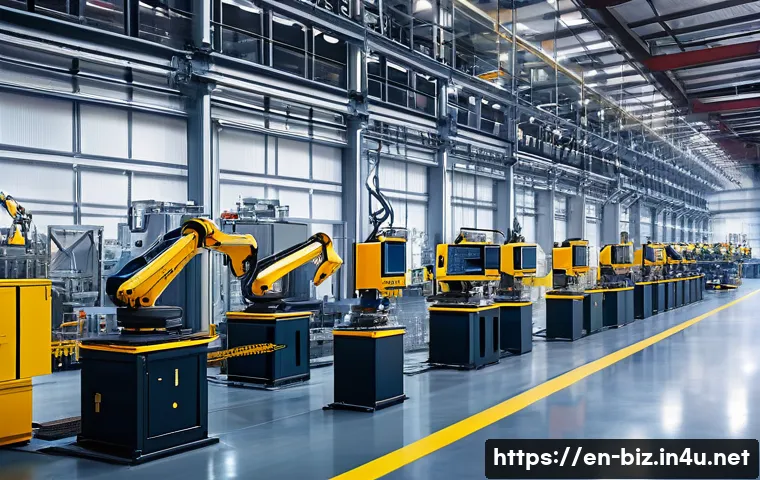
Lean production has revolutionized the way industries approach manufacturing by focusing on minimizing waste and maximizing efficiency. This methodology not only streamlines operations but also improves product quality and customer satisfaction.

Many companies have reported significant cost savings and faster turnaround times after adopting lean principles. It’s fascinating to see how small changes in workflow can create a big impact on overall performance.
Whether you’re a business owner or simply curious about modern manufacturing, understanding lean production can offer valuable insights. Let’s dive deeper and explore the key concepts behind lean production in the following article!
Optimizing Workflow for Maximum Efficiency
Identifying Bottlenecks in Production Lines
When I first observed a manufacturing floor, what stood out was how small bottlenecks could ripple into major slowdowns. Pinpointing these choke points is crucial because they directly impact the entire process’s speed and efficiency.
For example, if one machine consistently lags behind others, the subsequent steps are forced to idle or rush, leading to inefficiencies and quality issues.
Tools like value stream mapping help visualize the flow and highlight where delays or redundancies occur. From my experience, even a simple rearrangement of machines or adjustment in batch sizes can drastically reduce waiting times and smoothen the flow, which translates to faster turnaround without compromising quality.
Streamlining Processes Through Standardization
Standardizing work procedures isn’t just about creating manuals or checklists; it’s about establishing a consistent rhythm that everyone can follow effortlessly.
I’ve seen teams thrive when they adopt clear, repeatable steps for every task because it minimizes variability and errors. In one case, introducing standardized work instructions reduced assembly errors by nearly 30%, boosting overall product consistency.
The key is balancing rigidity and flexibility—while routines promote efficiency, allowing some adaptability ensures that unique situations don’t disrupt the flow.
Training employees thoroughly and gathering their feedback often reveals areas where standards can be refined for even better outcomes.
Continuous Monitoring and Real-Time Adjustments
In the fast-paced environment of manufacturing, waiting to analyze data post-shift is often too late. Implementing systems for real-time monitoring empowers teams to make immediate corrections.
For instance, I recall a facility where sensors tracked machine performance and alerted operators to deviations instantly. This proactive approach prevented minor issues from escalating into costly downtime.
Beyond technology, fostering a culture where workers feel responsible for spotting and reporting anomalies accelerates problem-solving. Real-time data combined with an engaged workforce creates a dynamic environment that continuously adapts and improves.
Waste Elimination Strategies That Drive Profitability
Understanding the Seven Wastes
The concept of the seven wastes—overproduction, waiting, transport, extra processing, inventory, motion, and defects—is foundational but often underestimated in its impact.
I’ve noticed that companies initially focus heavily on reducing inventory or defects but overlook subtle wastes like unnecessary motion or transport within the facility.
For example, redesigning a workspace to minimize walking distance or rearranging materials closer to the point of use can save hours weekly. Recognizing these less obvious wastes demands a keen eye and a willingness to challenge long-held practices, but the gains in efficiency and morale are well worth the effort.
Implementing Just-in-Time Inventory Systems
Just-in-time (JIT) inventory management always sounded risky to me at first—what if demand spikes unexpectedly? However, when executed carefully, JIT drastically cuts holding costs and reduces waste from obsolete stock.
The trick lies in tight coordination with suppliers and accurate demand forecasting. One manufacturer I consulted reduced their inventory carrying costs by 40% within six months by shifting to JIT, while still maintaining high service levels.
This shift requires robust communication channels and flexible supplier relationships to handle fluctuations smoothly, but the financial benefits and reduced clutter on the shop floor are undeniable.
Empowering Employees to Identify and Eliminate Waste
No one understands daily operations better than the people on the front lines. Encouraging employees to spot waste and suggest improvements often uncovers opportunities managers might miss.
In my experience, creating a structured program where workers can submit ideas and see them implemented fosters ownership and continuous improvement. For example, a simple suggestion to rearrange tools reduced setup time by 15%, a change that might have been overlooked without frontline input.
This approach not only improves efficiency but also boosts morale, as employees feel valued and part of the company’s success.
Leveraging Technology to Enhance Manufacturing Processes
Automation and Robotics Integration
Automation isn’t just about replacing human labor; it’s about augmenting capabilities and eliminating repetitive, error-prone tasks. I’ve witnessed how integrating robotics for tasks like welding, painting, or packaging improves consistency and frees up workers for higher-value activities.
While initial investments can be steep, the long-term returns in speed and quality are impressive. It’s essential to carefully select which processes to automate—ones that are stable and repetitive yield the best ROI.
Moreover, training staff to work alongside robots creates a collaborative environment rather than a competitive one, which eases transitions.
Data Analytics and Predictive Maintenance
Incorporating data analytics into manufacturing operations transforms how maintenance and quality control are handled. Predictive maintenance, for instance, relies on analyzing equipment data to anticipate failures before they occur.
I’ve seen factories cut unexpected downtime by nearly 50% after adopting sensor-based monitoring combined with analytics platforms. This approach not only saves repair costs but also avoids production halts that can ripple into missed deadlines and lost revenue.
Additionally, analyzing production data trends helps identify quality issues early, enabling prompt corrective actions.
Digital Twins and Simulation Tools
Digital twins—virtual replicas of physical assets—offer a powerful way to experiment with process changes without risking actual production. From my observations, companies using simulation tools can test new workflows, layouts, or equipment configurations virtually, identifying bottlenecks or inefficiencies ahead of time.
This capability accelerates decision-making and reduces costly trial-and-error on the shop floor. For example, one manufacturer simulated a new assembly line design that improved throughput by 20% before physically implementing any changes.
This technology also supports training by allowing operators to practice in a risk-free environment.
Creating a Culture That Supports Continuous Improvement
Leadership Commitment and Vision
For any efficiency initiative to stick, leadership must be visibly committed and lead by example. I’ve found that when executives actively participate in improvement efforts, communicate clear goals, and allocate resources, employees become more engaged.
A CEO who routinely visits the production floor and discusses improvement ideas signals that these efforts are valued. Conversely, a lack of leadership involvement often leads to waning enthusiasm and half-hearted adoption of new practices.
Establishing a shared vision for operational excellence aligns the entire organization and drives sustained momentum.
Encouraging Open Communication and Feedback
Creating channels for honest communication is vital. I’ve worked with teams where regular “gemba walks” and feedback sessions encouraged workers to voice challenges and propose solutions.
This openness uncovers hidden issues early and fosters trust. When employees know their input influences decisions, they become active participants rather than passive executors.
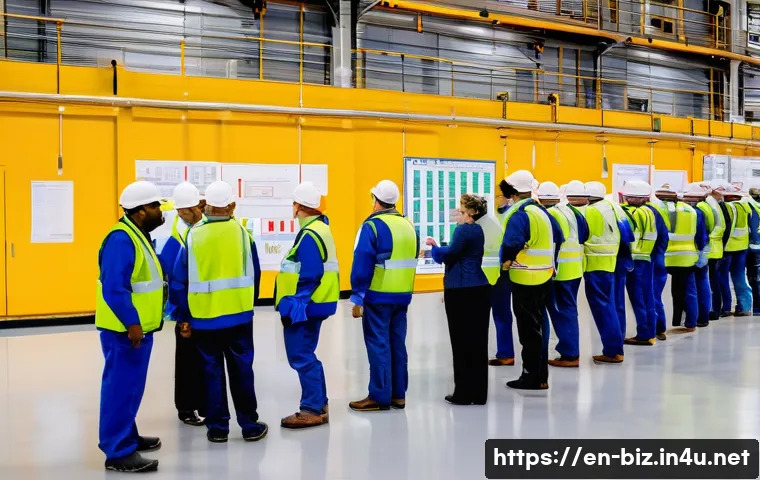
It’s also important to celebrate successes publicly to maintain morale and reinforce the value of continuous improvement. Small wins build confidence and create a positive feedback loop that propels further progress.
Training and Skill Development
Continuous improvement hinges on a skilled workforce equipped to identify problems and implement solutions. Investing in regular training programs, workshops, and cross-functional learning opportunities pays dividends.
I’ve seen companies dramatically improve quality and reduce defects after introducing lean training sessions tailored to different roles. Empowering employees with problem-solving tools like root cause analysis or kaizen methodologies helps sustain improvements long-term.
Moreover, fostering a learning culture encourages curiosity and innovation, essential ingredients for ongoing operational excellence.
Measuring Performance to Sustain Gains
Key Performance Indicators (KPIs) for Manufacturing
Tracking the right KPIs is critical to understand if improvements are working. Common metrics include cycle time, defect rates, equipment utilization, and on-time delivery.
From personal experience, setting up dashboards that visualize these KPIs in real-time keeps teams focused and accountable. It’s important to choose metrics that align with business goals—improving a number that doesn’t matter won’t move the needle.
Regularly reviewing KPIs with the team also uncovers trends and areas needing attention, enabling proactive management.
Balanced Scorecard Approach
Beyond operational metrics, incorporating financial, customer, and employee perspectives offers a holistic view of performance. The balanced scorecard framework helps ensure improvements benefit all stakeholders.
For example, reducing costs is great, but if customer satisfaction or employee engagement declines, the gains may be short-lived. I recall a manufacturer that used balanced scorecards to balance quality improvements with cost savings and customer feedback, resulting in sustained growth and market reputation.
This approach encourages balanced decision-making and long-term success.
Benchmarking Against Industry Standards
Comparing performance against peers provides valuable insights and motivation. Benchmarking reveals where a company stands and highlights best practices worth adopting.
I’ve seen teams energized by understanding how their metrics stack up against competitors or industry leaders, sparking creative solutions. Participating in industry consortiums or using third-party benchmarking reports offers credible data.
However, it’s essential to interpret benchmarks contextually—differences in scale, product mix, or market conditions can affect comparability.
Table: Key Elements and Benefits of Efficient Manufacturing Practices
| Element | Description | Benefit |
|---|---|---|
| Workflow Optimization | Identifying and removing bottlenecks, standardizing tasks, real-time adjustments | Faster production, reduced delays, improved quality |
| Waste Reduction | Eliminating seven wastes, JIT inventory, employee-driven improvements | Lower costs, less inventory, higher efficiency |
| Technology Integration | Automation, predictive maintenance, digital twins | Consistency, reduced downtime, informed decision-making |
| Cultural Transformation | Leadership commitment, open communication, continuous training | Employee engagement, sustained improvement, innovation |
| Performance Measurement | KPI tracking, balanced scorecards, benchmarking | Accountability, balanced growth, competitive advantage |
Tailoring Improvements to Unique Business Needs
Assessing Company-Specific Challenges
Every manufacturing operation has its unique quirks and challenges. I’ve learned that a one-size-fits-all approach rarely works. Conducting thorough assessments that consider product types, customer demands, workforce skills, and existing processes helps tailor improvements effectively.
For example, a company producing customized products may prioritize flexibility over speed, whereas a high-volume manufacturer might focus on cycle time reduction.
Taking time to understand these nuances ensures that changes align with strategic priorities and deliver meaningful results.
Incremental vs. Radical Change Approaches
Deciding whether to implement gradual improvements or pursue bold transformations depends on factors like organizational readiness and risk tolerance.
In some cases, incremental changes build momentum and reduce resistance, as employees see continuous benefits without disruption. On the other hand, radical changes—such as overhauling layouts or adopting new technologies—can unlock significant gains but require careful change management.
From my experience, blending both approaches often works best: start with quick wins to build confidence, then tackle more substantial changes with broader support.
Balancing Cost and Impact
Improvement initiatives must balance investment with expected returns. I’ve seen organizations shy away from promising technologies or process changes due to upfront costs, only to face higher expenses later from inefficiencies.
Conducting cost-benefit analyses and pilot testing helps mitigate this risk. Sometimes, small, inexpensive tweaks yield surprisingly high impact, while other times, more significant investments are justified by long-term savings.
Involving finance teams early ensures alignment and helps secure necessary resources without jeopardizing other priorities.
Conclusion
Optimizing manufacturing processes requires a thoughtful blend of technology, culture, and continuous improvement. From identifying bottlenecks to empowering employees, each step plays a vital role in boosting efficiency and profitability. Tailoring strategies to fit unique business needs ensures sustainable success. With committed leadership and data-driven decisions, companies can maintain momentum and thrive in competitive markets.
Useful Information to Keep in Mind
1. Workflow optimization isn’t just about speed; it’s about creating a smooth, consistent process that reduces errors and downtime.
2. Eliminating all types of waste, even those less obvious like unnecessary motion, can significantly cut costs and improve morale.
3. Technology, such as automation and predictive maintenance, offers powerful tools but must be carefully integrated with human skills.
4. A culture that supports open communication and continuous learning fosters innovation and long-term improvements.
5. Measuring performance with relevant KPIs and benchmarking keeps teams accountable and focused on meaningful goals.
Key Takeaways
Successful manufacturing efficiency hinges on a holistic approach that combines process optimization, waste reduction, technology adoption, and cultural transformation. Leadership engagement and employee involvement are critical to sustaining improvements. Regular performance tracking and adapting strategies to specific organizational needs ensure that gains are not only achieved but maintained over time. Balancing quick wins with strategic investments creates a resilient and agile production environment ready to meet evolving challenges.
Frequently Asked Questions (FAQ) 📖
Q: What are the main benefits of implementing lean production in a manufacturing business?
A: Implementing lean production can lead to numerous benefits, including significant cost reductions by eliminating waste, faster production cycles due to streamlined workflows, and improved product quality because of continuous process improvements.
From my experience, companies often see enhanced customer satisfaction as they can deliver better products more quickly, which ultimately boosts competitiveness in the market.
Q: How difficult is it to transition to lean production for a company that has been using traditional manufacturing methods?
A: Transitioning to lean production can be challenging initially because it requires a cultural shift and employee buy-in. However, with proper training and gradual implementation, it becomes manageable.
I’ve seen businesses start small—focusing on a few processes—and then expand their lean efforts over time. The key is patience and consistent communication to help everyone understand the benefits and participate actively in the change.
Q: Can lean production principles be applied to industries outside of manufacturing?
A: Absolutely! Lean principles are versatile and have been successfully adapted in various sectors like healthcare, software development, and even service industries.
The core idea of reducing waste and optimizing processes applies universally. Personally, I’ve noticed how offices using lean techniques reduce unnecessary meetings and paperwork, which speeds up decision-making and improves overall efficiency.
It’s all about tailoring lean concepts to fit the specific workflow and goals of the industry.