Hey there, wonderful readers! Have you ever paused to consider just how deeply public policies shape our everyday world, not just through laws, but through the very ethical fabric they weave?
It feels like we’re constantly navigating new moral landscapes, especially with rapid advancements in areas like AI and digital privacy that force us to rethink what’s fair and just.
From what I’ve observed, the best policies aren’t just practical; they’re rooted in a profound understanding of human values, and grappling with these complexities is something policymakers, and even we, grapple with constantly.
This blend of governance and guiding principles truly defines our society. I’m excited to delve into this crucial intersection of public policy and ethics with you, exploring the nuances and what it all means for our future.
The Unseen Threads: How Policy Weaves Our Moral Fabric

You know, it often feels like public policy is just about rules and regulations, the dry stuff politicians argue over. But from what I’ve genuinely seen and experienced, it’s so much more than that. It’s about the very values we hold dear as a society, translated into actionable frameworks. Every single policy decision, whether it’s about healthcare access, environmental protection, or even how our local parks are managed, carries an ethical weight. It’s like an invisible hand guiding our collective behavior, shaping what we consider right, fair, and just. When policymakers decide where to allocate resources, for instance, they’re not just crunching numbers; they’re making a statement about whose needs are prioritized, whose voices are heard, and what kind of future we’re striving for. I’ve often found myself pondering how these seemingly abstract choices trickle down, directly impacting the quality of life for families, the opportunities available to individuals, and the overall moral compass of our communities. It’s a continuous, dynamic process where our evolving ethics inform policy, and then, in turn, policy subtly nudges our ethical perspectives. It’s a fascinating dance, really, and one that deserves our constant attention and thoughtful engagement.
The Everyday Impact of Ethical Choices in Policy
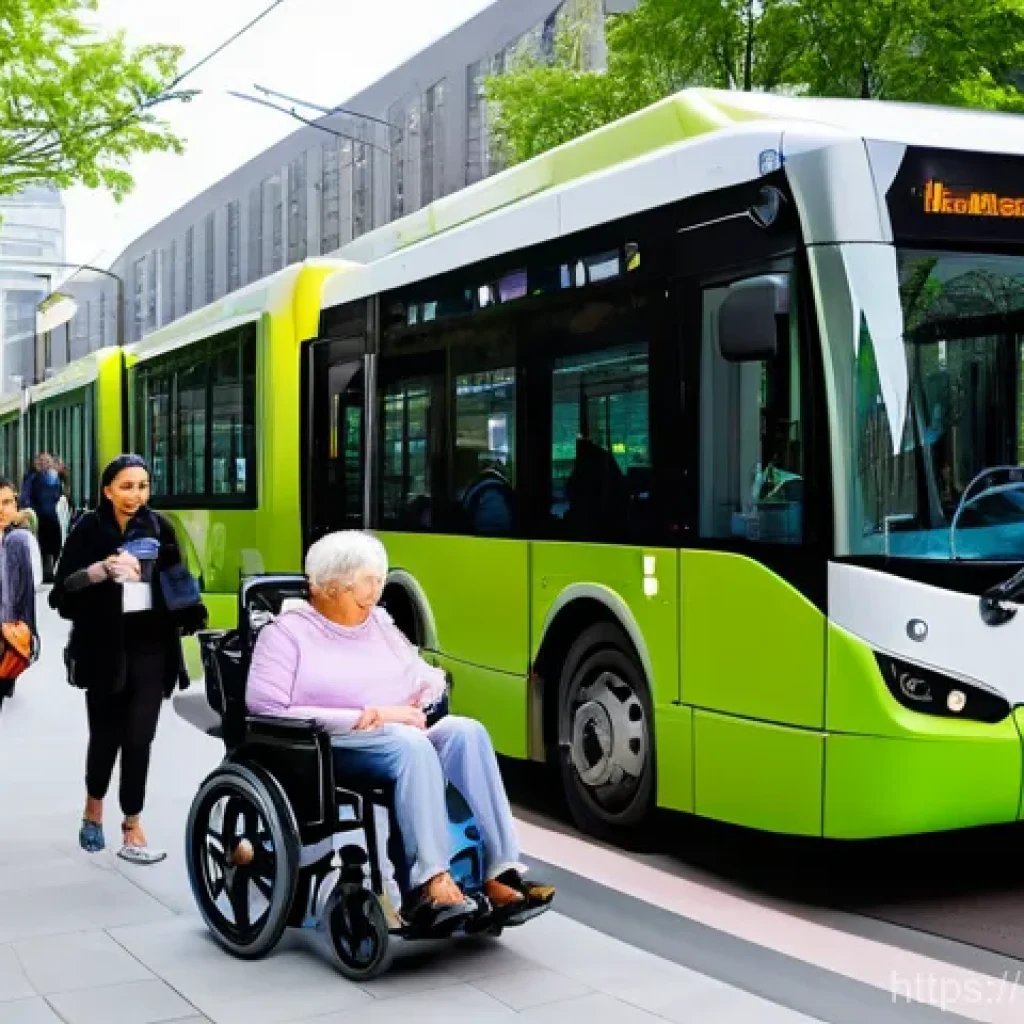
Think about something as seemingly straightforward as public transportation. On the surface, it’s about getting people from point A to point B. But dig a little deeper, and you’ll uncover a rich tapestry of ethical considerations. Is it affordable for everyone, including those with lower incomes? Is it accessible for individuals with disabilities? Are the routes designed to serve all neighborhoods equally, or do some areas get left behind? These aren’t just practical questions; they’re deeply ethical ones, reflecting our societal commitment to equity and inclusion. I remember living in a city where late-night bus services were cut, and I personally witnessed how that decision disproportionately affected shift workers and students who relied on public transit, creating real hardships. It truly hammered home for me that even seemingly small policy changes can have significant ethical ripple effects, impacting real people’s lives in very tangible ways. It’s a constant reminder that ethical considerations aren’t abstract academic exercises but vital components of everyday governance.
When Laws and Morals Collide: A Constant Dance
It’s inevitable, isn’t it? Our collective moral landscape is always shifting, often at a faster pace than the legislative process can keep up with. This creates fascinating, sometimes uncomfortable, intersections where established laws might feel out of sync with contemporary ethical sensibilities. Take the ongoing debates around emerging technologies like gene editing or advanced surveillance. Legally, certain practices might be permissible today, but ethically, they raise profound questions about human dignity, privacy, and future societal implications. I’ve had countless conversations with friends and colleagues where we’ve grappled with these very issues, often finding that there are no easy answers, just complex shades of gray. The challenge for policymakers, as I see it, is to continuously monitor this ethical pulse, to engage in robust public discourse, and to be willing to reform laws when they no longer serve our highest moral aspirations. It’s not about throwing out the rulebook, but about ensuring it remains relevant and reflective of our evolving understanding of what it means to be a just and compassionate society. This constant negotiation truly defines our progress.
Navigating the Digital Wild West: Ethics in the Age of AI and Data
Alright, let’s talk about something that’s probably on all our minds these days: the incredible, sometimes terrifying, pace of change in the digital world. It feels like every other week, there’s a new AI breakthrough or a fresh data privacy scandal, and honestly, it’s a lot to keep up with. From my perspective, this digital revolution isn’t just transforming how we work or communicate; it’s fundamentally challenging our ethical frameworks in ways we’ve never encountered before. We’re grappling with questions like algorithmic bias, deepfakes, and the sheer volume of personal data being collected about us, often without our full understanding or consent. It truly feels like we’re in the “Wild West” of the internet, where innovation is galloping ahead, but the ethical guardrails are still being slowly, sometimes painfully, constructed. As someone who spends a lot of time online, I’ve personally seen how a seemingly harmless piece of data can be used in ways that were never intended, leading to privacy breaches or even targeted manipulation. It’s a complex, ever-evolving landscape where public policy is constantly playing catch-up, trying to figure out how to protect individuals and societies without stifling innovation. This is where the rubber meets the road when it comes to balancing progress with principles.
The Privacy Predicament: Protecting Our Digital Selves
I don’t know about you, but I often feel like my digital footprint is sprawling across the internet, leaving traces everywhere I go. The amount of data collected on us daily, from our browsing habits to our shopping preferences and even our physical locations, is frankly staggering. The ethical dilemma here is clear: how do we benefit from the conveniences of the digital age – personalized recommendations, smart devices, interconnected services – while simultaneously safeguarding our fundamental right to privacy? Public policies like GDPR in Europe and various state-level privacy laws in the US are attempting to address this, giving individuals more control over their data. From my own experience, I’ve become much more conscious about what permissions I grant apps and what information I share online. It’s a small step, but it highlights the growing awareness that our digital identity needs protection, much like our physical one. The challenge for policymakers is not just creating these laws, but ensuring they are enforceable and adaptable enough to keep pace with rapid technological advancements. It’s a constant battle between convenience and crucial individual rights.
AI’s Moral Compass: Who Decides What’s Right?
Artificial intelligence is no longer the stuff of science fiction; it’s here, and it’s making decisions that affect our lives every single day, from loan applications to medical diagnoses to even judicial outcomes. This brings us to a monumental ethical question: who instills AI with its moral compass? Is it the engineers who code it, the companies that deploy it, or the governments that regulate it? What happens when AI systems exhibit bias, perhaps because they were trained on flawed or incomplete data? I’ve heard too many stories of AI algorithms inadvertently perpetuating discrimination, and it’s genuinely concerning. As a user of many AI-powered tools, I’ve noticed subtle biases in recommendations or content generation, which makes me wonder about the broader implications. Crafting policies for AI ethics isn’t just about preventing harm; it’s about proactively designing systems that reflect our highest human values: fairness, transparency, and accountability. This is an area where policy absolutely needs to lead the way, setting clear ethical standards before these powerful technologies become even more deeply embedded in our societal infrastructure. It’s a race against time, but one we absolutely must win to ensure a just future.
Dollars and Sense (and Morals): Economic Policy’s Ethical Dilemmas
When we talk about economic policy, our minds often jump straight to numbers – GDP, inflation rates, interest rates, all that jazz. But if you’ve been following along, you’ll know that even in the world of finance and commerce, ethics play an incredibly powerful, albeit sometimes hidden, role. From my vantage point, the ethical dilemmas embedded in economic policy are some of the most profound, because they directly impact people’s livelihoods, opportunities, and overall sense of security. Every decision about taxation, trade agreements, labor laws, or even social safety nets carries with it a set of underlying values. Are we prioritizing economic growth above all else, even at the cost of environmental damage or widening inequality? Or are we striving for a more balanced approach that ensures a basic standard of living for everyone, fosters fair competition, and encourages ethical business practices? I’ve personally felt the sting of economic policies that seemed to favor large corporations over small businesses, and it really makes you question the ethical foundations of our financial systems. It’s a constant tightrope walk for policymakers, trying to stimulate prosperity while upholding principles of fairness and justice, and it’s a conversation we all need to be a part of.
Fairness in the Marketplace: More Than Just Profit
The concept of a “free market” often conjures images of unbridled competition and profit maximization. But, as I’ve come to understand, true fairness in the marketplace requires more than just letting businesses do what they please. It requires ethical guardrails, enforced through public policy, to prevent exploitation, ensure consumer protection, and maintain a level playing field. Think about regulations against monopolies, truth-in-advertising laws, or even mandates for product safety. These aren’t just bureaucratic hurdles; they are ethical imperatives designed to protect individuals and promote a more trustworthy commercial environment. I remember once dealing with a faulty product where the company initially refused to honor its warranty, and it was only through consumer protection laws, a form of public policy, that I was able to get a resolution. That experience really highlighted for me how crucial these ethical considerations are in preventing powerful entities from taking advantage of ordinary people. It’s about creating a system where integrity and fair dealing are valued alongside, if not above, mere financial gain, fostering an environment where trust can actually thrive.
Wealth Distribution: Finding the Ethical Balance
This is a big one, and it’s certainly not an easy conversation to have. How wealth is distributed within a society is perhaps one of the most ethically charged areas of economic policy. Is it ethical for a small percentage of the population to control a vast majority of the wealth, while others struggle to make ends meet? Policies related to progressive taxation, minimum wage, social welfare programs, and inheritance taxes are all direct attempts to address this complex ethical question. There are passionate arguments on all sides, of course, about what constitutes a “fair” distribution. Some argue that wealth is a direct result of individual effort and should not be redistributed, while others advocate for policies that aim to reduce extreme inequalities, citing societal benefits and moral obligations. From my observation, the debate isn’t just about numbers; it’s about our core beliefs regarding social responsibility and collective well-being. It’s a continuous quest to find that elusive balance between incentivizing innovation and ensuring that everyone has a fair shot at a decent life, and it demands constant ethical reflection and policy refinement.
From Local Streets to Global Stages: Community Values in Action
It’s truly fascinating to see how the ethical principles we cherish within our own communities scale up, or sometimes struggle to scale up, to the national and even global stages. What might feel like a straightforward ethical choice for a small town – say, whether to invest in a new community park or a local business incentive program – becomes exponentially more complex when you’re talking about national healthcare systems or international climate agreements. From my perspective, whether we’re discussing local zoning laws or global human rights treaties, the underlying current remains the same: a push to embed our shared values into practical policy. I’ve often thought about how the conversations around school funding in my neighborhood reflect broader societal ethics about equal opportunity and the value of education, and these same ethical considerations, albeit on a grander scale, play out in national budget discussions. It highlights that policy isn’t just some top-down directive; it’s often a reflection, however imperfect, of the values we collectively hold dear, constantly negotiated and refined through democratic processes and public discourse. It’s a powerful reminder that our ethical landscape is not static but a living, breathing entity that evolves with our communities.
Crafting Policies That Reflect Our Shared Beliefs
Every community, whether a small town or a sprawling metropolis, holds a unique set of shared beliefs and values. These form the ethical bedrock upon which local policies are often built. Think about policies related to historic preservation, local environmental initiatives, or even how public art is funded. These decisions often spring from a collective agreement about what makes a community special, what assets are worth protecting, and what kind of legacy we want to leave. I’ve personally been involved in local discussions about urban development, where the debate wasn’t just about economic growth, but about preserving the character of the neighborhood and ensuring that new developments were ethically integrated. It was a clear demonstration of how local policies become tangible expressions of a community’s soul. The challenge, of course, is that not everyone always agrees, leading to robust debates and compromises. But at its heart, the process of crafting local policy is an intensely ethical one, striving to translate a diverse array of community values into coherent and beneficial action. It really does feel like a genuine exercise in collective ethical decision-making.
Global Challenges, Local Ethics: A Delicate Balance
Stepping onto the global stage, the ethical challenges become immense. Issues like climate change, pandemics, and international humanitarian crises demand coordinated global responses, but these often clash with differing national interests and deeply ingrained local ethical perspectives. How do you, for instance, persuade nations to adopt environmentally conscious policies when their immediate economic needs seem to dictate otherwise? It’s a fundamental tension between global collective good and national sovereignty, underpinned by diverse ethical frameworks. I’ve read countless articles and watched debates about global trade agreements, and it’s striking how often discussions about fair labor practices or environmental protections get tangled up in ethical arguments about a nation’s right to self-determination. From my perspective, navigating these global ethical dilemmas requires an extraordinary degree of diplomacy, empathy, and a willingness to find common ground. It’s about recognizing that while our individual ethical systems might differ, there are universal human values – like the preservation of life, dignity, and a sustainable future – that can, and should, form the basis for international cooperation and ethically sound global policies. It’s a delicate, ongoing tightrope walk that defines our collective future.
The Human Element: Why Empathy is the Ultimate Policy Tool
When you boil it all down, public policy is ultimately about people. And that’s where empathy, in my honest opinion, becomes the single most crucial tool in any policymaker’s arsenal. It’s not just about understanding data points or economic models; it’s about genuinely grasping the lived experiences of the individuals and communities that policies are designed to serve. Without empathy, policies can become cold, clinical, and completely detached from reality, leading to unintended consequences and a deep sense of injustice. I’ve personally seen how policies crafted in a vacuum, without direct input or understanding of those affected, can miss the mark entirely, sometimes causing more harm than good. It’s like designing a public park without ever asking what people actually want to do there – you might end up with something aesthetically pleasing but utterly useless. For me, the most effective policies are those born from a place of deep understanding and compassion, where the voices of the vulnerable are not just heard, but actively sought out and integrated into the decision-making process. This human-centered approach transforms policy from a bureaucratic exercise into a powerful instrument for positive change and ethical governance. It’s about putting people first, always.
Understanding the Lived Experience: Policy Beyond Statistics
It’s easy to get lost in the numbers when you’re crafting policy. You see statistics on unemployment, poverty rates, or health outcomes, and while these are undeniably important, they only tell part of the story. The true ethical challenge, and the real power of empathy, lies in understanding the qualitative, human experience behind those statistics. What does it actually *feel* like to be unemployed? What are the daily struggles of living below the poverty line? What are the barriers someone faces when trying to access healthcare? I remember a time when a local policy was being debated about homelessness, and while the city council had all the quantitative data, it was only after hearing personal testimonies from individuals who had experienced homelessness that the conversation truly shifted towards more compassionate and effective solutions. That moment really stuck with me. It’s about policymakers stepping out of their offices and into the shoes of the people they serve, listening to their stories, and allowing those narratives to inform and shape policy decisions. This approach ensures that policies are not just theoretically sound but are also ethically resonant and genuinely impactful for those whose lives they touch.
The Power of Listening: Building Policies from the Ground Up
If there’s one thing I’ve learned about effective, ethically sound policy-making, it’s that true innovation and positive change often start with genuine listening. This isn’t just about holding public forums; it’s about creating accessible channels for feedback, actively seeking out diverse perspectives, and genuinely valuing community input. When policies are built from the ground up, informed by the needs and insights of the people they affect, they tend to be far more robust, equitable, and ethically defensible. I’ve noticed a significant difference in outcomes when a policy is developed collaboratively, rather than being imposed. For instance, local initiatives to improve public safety often see greater success when residents are deeply involved in identifying problems and proposing solutions, rather than just having a top-down police strategy. It fosters a sense of ownership and trust, which are crucial for any policy to be effective. The ethical imperative here is clear: empower communities, listen to their voices, and build policies that truly reflect their aspirations and address their challenges. It’s a testament to the idea that collective wisdom, guided by empathy, can lead to the most profound and ethically sound solutions.
Building Trust: The Cornerstone of Effective Governance
Trust. It’s a word we hear a lot, especially in discussions about politics and governance, but what does it really mean in the context of public policy? From my perspective, trust isn’t just a nice-to-have; it’s the absolute bedrock upon which effective and ethical governance is built. When citizens trust their institutions, they are more likely to comply with laws, participate in civic life, and believe that policies are enacted for the common good, not just for special interests. Conversely, when trust erodes, policies, no matter how well-intentioned, can be met with skepticism, resistance, and even outright defiance. I’ve often observed that a lack of trust can paralyze progress, making it incredibly difficult to address pressing societal challenges, whether it’s public health crises or economic downturns. This isn’t just an American phenomenon; it’s a global one. The ethical responsibility of policymakers, therefore, extends beyond merely crafting ‘good’ policies; it includes continuously working to earn and maintain the public’s trust through transparency, accountability, and consistent ethical behavior. It’s a continuous, demanding, but absolutely essential endeavor that underpins the very legitimacy of governance itself.
Transparency and Accountability: Essential for Public Faith
These two words often go hand-in-hand, and for good reason. Transparency means that the decision-making processes of government are open and accessible to the public. It means clearly articulating *why* certain policies are being pursued, *how* funds are being allocated, and *who* is influencing those decisions. Accountability, on the other hand, means that policymakers and institutions are answerable for their actions and their consequences. If a policy fails or leads to harm, there must be mechanisms for review, correction, and, where necessary, repercussions. I personally feel a lot more confident in government decisions when I can easily access information about how they were made and know that there are systems in place to hold officials responsible. Without transparency, suspicion festers. Without accountability, misconduct can thrive. These aren’t just good practices; they are ethical imperatives that cultivate public faith and demonstrate a genuine commitment to serving the public interest. It’s about pulling back the curtain and showing that governance isn’t some clandestine operation, but a public service conducted with integrity.
Restoring Faith: When Policies Go Awry
Let’s be real, no policy is perfect, and sometimes, even with the best intentions, things go wrong. Policies can have unintended negative consequences, or they might simply fail to achieve their stated goals. The true test of ethical governance, in my opinion, isn’t just about preventing mistakes, but about how institutions respond when policies go awry. Does the government acknowledge its errors? Does it engage in a genuine process of review and correction? Are there efforts to compensate those who have been unfairly impacted? I’ve seen situations where a quick, honest acknowledgment of a policy misstep and a clear plan for rectification have gone a long way in restoring public trust, even after initial anger. Conversely, attempts to obfuscate, deny, or deflect blame only deepen public cynicism. Restoring faith is a painstaking process that requires humility, courage, and a steadfast commitment to ethical principles. It’s about demonstrating that even in failure, the underlying commitment to serve the public good remains unwavering. This is where true leadership shines through, converting missteps into opportunities for ethical growth and stronger governance.
Future-Proofing Our Principles: Preparing for Tomorrow’s Ethical Challenges
It’s easy to get caught up in the policy debates of today, but from my vantage point, one of the most pressing ethical responsibilities we have is to look ahead, to anticipate the challenges that tomorrow will inevitably bring. Our world is changing at an astonishing rate, driven by technological innovation, shifting demographics, and complex global interdependencies. This means that the ethical dilemmas of the future might be vastly different, and potentially far more complex, than the ones we face right now. How do we prepare our public policies to be agile enough to adapt, and principled enough to hold firm to our core values, when confronted with scenarios we can barely imagine today? This isn’t about having all the answers right now; it’s about fostering a culture of ethical foresight, where policymakers, academics, and citizens are actively engaged in contemplating future possibilities and proactively building ethical frameworks. I’ve personally found myself thinking about things like asteroid mining, quantum computing, or synthetic biology, and realizing just how unprepared our current ethical and legal systems might be for these kinds of advancements. It’s a call to action, really, to ensure that our principles are robust and resilient enough to guide us through whatever lies ahead, so we don’t end up playing ethical catch-up in a world that’s already moved on.
Anticipating the Unforeseen: Ethical Foresight
The concept of “ethical foresight” might sound a bit academic, but it’s something I genuinely believe is crucial for responsible governance. It’s about actively engaging in speculative thinking, not just reacting to crises as they emerge, but trying to foresee the ethical implications of nascent technologies, emerging social trends, and potential global shifts. What ethical questions will arise with widespread neuro-enhancements? How will prolonged lifespans impact social security and intergenerational justice? These are not hypothetical musings for a distant future; they are questions we need to start grappling with now to lay ethical groundwork. I’ve often felt a sense of urgency when discussing these topics because the pace of change is so quick. This proactive approach to ethics involves multidisciplinary collaboration, bringing together scientists, ethicists, policymakers, and the public to collectively consider potential futures. It’s about building flexibility and ethical robustness into our policy-making processes from the very start, rather than waiting for problems to become intractable. It’s a proactive defense against unforeseen ethical quandaries and a testament to our commitment to a principled future.
Educating for an Ethical Future: Cultivating Conscience
Ultimately, strong ethical public policy depends not just on wise leaders, but on an ethically informed and engaged citizenry. This brings us to a crucial point about education: how are we cultivating a collective conscience that can navigate the complexities of future ethical challenges? It’s not just about teaching civics; it’s about fostering critical thinking skills, encouraging empathy, and promoting an understanding of diverse ethical perspectives from an early age. I often reflect on my own education and how important it was to learn to question, to debate, and to understand different viewpoints. These skills are more vital than ever in a world where information can be overwhelming and moral clarity sometimes feels elusive. Policies around education, therefore, have a profound ethical dimension themselves – shaping the capacity of future generations to engage with and contribute to an ethically sound society. It’s about ensuring that we’re not just preparing people for jobs, but for responsible citizenship, equipped with the moral discernment needed to uphold and advance our collective values. This is how we truly future-proof our principles, one generation at a time.
| Ethical Principle | Description | Policy Implications (Examples) |
|---|---|---|
| Justice | Ensuring fairness, equity, and impartiality in the distribution of benefits and burdens. Addressing systemic disadvantages. | Progressive taxation, anti-discrimination laws, equitable access to healthcare and education, criminal justice reform. |
| Autonomy | Respecting individuals’ rights to make their own choices, free from coercion, provided these choices don’t harm others. | Informed consent in medical procedures, freedom of speech, privacy rights, consumer choice regulations. |
| Beneficence | Acting in ways that promote the well-being and best interests of others, preventing harm where possible. | Public health initiatives, environmental protection laws, social safety nets, funding for research and development. |
| Accountability | Holding individuals and institutions responsible for their actions, decisions, and the consequences thereof. | Transparency in government, independent oversight bodies, mechanisms for public complaints, anti-corruption laws. |
| Sustainability | Ensuring that current actions do not compromise the ability of future generations to meet their own needs. | Renewable energy mandates, conservation laws, responsible resource management, climate change policies. |
Wrapping Things Up
Whew! We’ve covered a lot of ground today, haven’t we? It’s been a journey delving into the intricate dance between public policy and the ethical fabric of our society. What I truly hope you take away from all this is that policy isn’t some distant, abstract concept; it’s a living, breathing reflection of our collective values and a powerful force in shaping the world we live in. Your voice, your engagement, and your ethical compass matter more than you know in this ongoing conversation. Keep asking questions, keep being curious, and let’s keep striving for a more just and principled future together.
Useful Insights to Keep in Mind
1. Get informed! Follow reliable news sources, policy think tanks, and local government updates to understand what’s being debated and decided in your community and beyond. Knowledge is power, especially when it comes to understanding how policies impact you.
2. Speak up and engage. Don’t underestimate the power of your voice. Contact your local representatives, participate in public forums, or even start conversations within your own social circles. Your perspective is valuable.
3. Support ethical leadership. When you have the chance, champion leaders and organizations that demonstrate a strong commitment to transparency, accountability, and empathy in their decision-making processes. They’re out there!
4. Think globally, act locally. Many global ethical challenges, from climate change to social justice, have local manifestations. Consider how you can advocate for ethical policies right where you live, impacting the bigger picture.
5. Cultivate empathy. Before forming an opinion on a policy, try to understand the different perspectives and lived experiences of those it will affect. This broadens your ethical understanding and leads to more thoughtful engagement.
Key Takeaways
To truly grasp the essence of ethical governance, remember that public policies are far more than just legal frameworks; they are tangible expressions of our societal values. We’ve explored how policies, whether economic, digital, or social, inherently carry ethical weight, directly shaping individual lives and community well-being. The core message is clear: fostering trust through transparency and accountability, embracing empathy in policy-making, and proactively anticipating future ethical challenges are not merely aspirations but necessities for building a truly just and sustainable society. Your active participation and ethical reflection are vital threads in this continuous weaving of our moral fabric.
Frequently Asked Questions (FAQ) 📖
Q: uestions on Public Policy & Ethics
A: nswered!Hey there, wonderful readers! I’m absolutely thrilled you’re joining me as we dive into a topic that feels more vital than ever: the intricate dance between public policy and ethics.
It’s a space where laws meet our deepest values, and honestly, navigating it can sometimes feel like trying to solve a Rubik’s Cube blindfolded! From what I’ve seen, it’s not just about what works, but what’s truly right, especially as technology rapidly reshapes our world.
I know you’ve got questions, and I’ve got some insights from my journey through this complex landscape. So, let’s get right to it!
Q: Why does it feel like ethics in public policy are under the spotlight more than ever before, especially with all the new technologies popping up?
A: Oh, it’s not just you feeling that way – it’s a sentiment I completely share! It genuinely feels like we’re standing at a crossroads, doesn’t it? For so long, policy often focused on efficiency and economics, but now, with the lightning-fast pace of innovation, particularly in areas like AI and digital privacy, we’re being forced to confront the moral implications in a way we haven’t quite had to before.
Think about it: AI algorithms can influence everything from who gets a loan to predictive policing, and without a strong ethical framework, we risk baking biases right into our societal structures.
I’ve personally watched debates unfold where the practical application of a new tech solution clashed hard with fundamental questions of fairness, transparency, and accountability.
Suddenly, “what can we do” is squarely up against “what should we do.” Data privacy, for instance, used to be a niche concern, but now, with nearly every aspect of our lives digitized, policies around how our personal information is collected, used, and protected are absolutely critical.
It’s no longer enough to just have a law; it needs to be a just law that aligns with our core human values, and I believe the public is keenly aware of that shift.
Q: Policymakers must constantly juggle so many things. How do they actually manage to balance practical needs with these often-abstract ethical considerations when creating new policies?
A: That’s truly the million-dollar question, isn’t it? It’s a challenge I wouldn’t wish on my worst enemy, because policymakers are constantly facing what I like to call “the policymaker’s dilemma.” They’re not just trying to make things run smoothly; they’re also wrestling with competing values, diverse public opinions, and often, immense economic pressures.
From what I’ve observed, the best ones don’t just pick one over the other; they strive for a delicate integration. This usually involves a rigorous process of ethical deliberation—not just a quick chat, but deep dives into how a policy will affect different groups, often using ethical frameworks like utilitarianism (the greatest good for the greatest number) or deontology (acting based on duty and rules).
They consult experts, engage with stakeholders from all walks of life, and really try to anticipate unintended consequences. I’ve seen firsthand how a seemingly straightforward policy can unravel when its ethical dimensions haven’t been thoroughly considered.
It’s about consciously building a moral compass into the decision-making process, ensuring that the human element isn’t lost amidst the data and the dollars.
It’s tough work, requiring a nuanced understanding of both the practicalities of governance and the profound impact on people’s lives.
Q: What role do we, as everyday citizens, play in making sure public policies are not just effective, but also ethically sound and reflect the values we hold dear?
A: Your voice? Believe me, it truly matters! It’s easy to feel like policies are decided in some ivory tower far away, but from my experience, engaged citizens are the bedrock of ethically strong public policy.
Think about it this way: policies are meant to serve us, the people, and if they don’t reflect our collective values, then something’s amiss. We have a crucial role to play in holding our leaders accountable and shaping the moral landscape of our governance.
This isn’t just about voting, though that’s a fundamental start. It’s about active participation – sharing our concerns with representatives, engaging in public consultations (yes, those often-dry-sounding meetings actually matter!), supporting organizations that advocate for ethical governance, and staying informed about the issues that affect us.
I’ve seen countless examples where public outcry or well-reasoned citizen initiatives have directly influenced policy changes, pushing them towards more just and equitable outcomes.
It’s like a continuous feedback loop: the more we speak up about what’s fair, what’s right, and what truly embodies our community’s spirit, the more likely it is that our policies will evolve to reflect those ideals.
Never underestimate the power of collective moral conviction!